
A pcb cleaning machine buyer usually starts with the board. The datasheet usually starts with the machine. That mismatch is how a line ends up with equipment whose outside dimensions fit the floor but whose usable workpiece space cannot hold the pallet, or whose belt rate cannot support the board pitch the line actually runs. The fix is simple: extract four fields from every candidate and ask for the ones that are missing before price enters the conversation.
We checked all 22 product pages published on this site on 23 November 2026. Seventeen state machine dimensions. Only one states a maximum workpiece size. Three publish a conveyor speed and four mention deionised water. The gap is not a defect in any single catalogue entry; it is a reminder that a footprint figure alone cannot answer the question the board designer asked.
Key takeaways
- 17 of 22 published spec tables give machine dimensions; 1 gives a maximum workpiece size.
- External footprint cannot substitute for usable board envelope.
- Height matters first when the fixture is tall, not width.
- Conveyor speed must be read together with board pitch.
- Send five measurements with the RFQ; we return a quote within 24 hours.
What the 22-page spec audit actually found
This is a field-coverage audit, not a performance test. We read the locally published version of all 22 product pages on 23 November 2026 and matched four field labels case-insensitively: machine dimensions, maximum workpiece size, conveyor speed and deionised water. Each page counts once per field. The result shows which questions a buyer can answer from public data and which need a direct answer from the supplier.
| Field | Pages | Decision it supports |
|---|---|---|
| Machine dimensions | 17 of 22 | Floor space, access, transport route |
| Maximum workpiece size | 1 of 22 | Whether the board or pallet fits |
| Conveyor speed | 3 of 22 | Whether the wash step keeps pace |
| Deionised water | 4 of 22 | Rinse supply and utility planning |
The platform that publishes the full set is the CQ-C9610 inline PCBA water cleaning machine. Its listed workpiece space is 580 mm wide by 450 mm long by 80 mm high, while the machine itself occupies about 6560 by 1760 by 1660 mm. Those are two different statements. One describes the room the equipment needs; the other describes the assembly it can actually carry through the wash, rinse and hot-air drying section.
Machine footprint is not the workpiece envelope
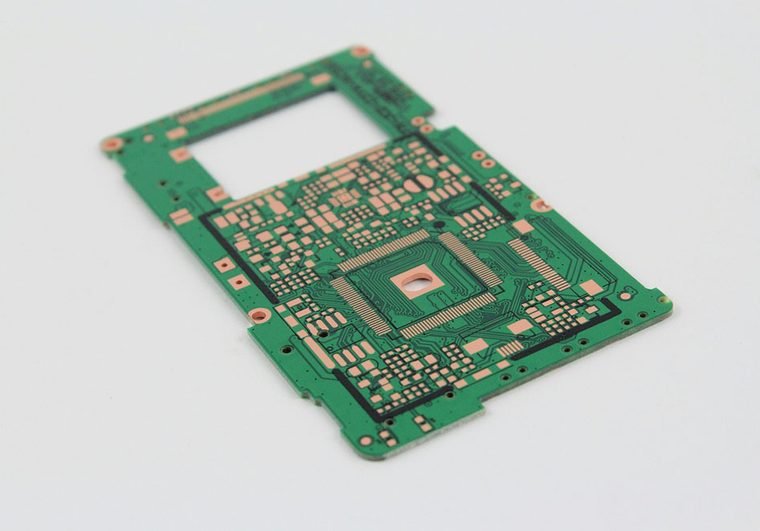
Machine footprint means the external length, width and height of the installed unit, including the housing and service access. Workpiece envelope means the maximum board or pallet that can pass through the transport path without touching the chamber, spray bars or guides. A buyer who substitutes the first figure for the second will find the problem at commissioning, when the fixture is already built and the line is waiting.
For an inline aqueous platform, the useful comparison is between the 80 mm workpiece height and the tallest component or fixture on the board, not between the 1660 mm machine height and the ceiling. Board width is checked against the 580 mm figure and belt travel against the 450 mm figure. The published belt rate runs from 0 to 1500 mm per minute; it is a capability range, not a guarantee that every board can run at the top of it.
Utility figures belong in the same check. The same table lists a deionised water supply above 15 MΩ, consumption of 10 to 16 litres per minute and detergent use of 1.0–2.5 L/h. These values depend on the flux load, board coverage and the number of rinse stages in the recipe. A supplier who quotes a single consumption number without those conditions has not given you a number you can budget against.
Five measurements to send before you request a quote
- Board outline. Length, width and thickness of the largest assembly, including any panel breakout tabs.
- Tallest point above the board. Measure from the conveyor plane to the highest component or heatsink, then add the fixture.
- Pallet or carrier outline. A wave-solder pallet often dominates the envelope even when the board itself is small.
- Board pitch and shift pattern. Centre-to-centre spacing and boards per shift turn a belt rate into a line output figure.
- Utility limits at the install point. Available deionised water, exhaust and floor loading, stated as measured values rather than as a site sketch.
Our earlier PCBA cleaning machine selection guide covers the wider decision: inline versus batch, flux family and budget. The spec-by-spec comparison guide explains how to line up two datasheets without mixing units. This page stops at the envelope question, because that is the field most often left blank.
Where this audit stops
These counts describe published fields on 22 pages on one date. They do not measure cleaning result, machine availability or the suitability of any platform for a particular assembly. Not suitable for a final acceptance decision: a datasheet field, however complete, still has to be checked against your own board and your own cleanliness criterion. A sample run is the right next step when the geometry is unusual or the residue specification is tight.
What does maximum workpiece size mean on a cleaning machine datasheet?
It is the largest board or pallet the transport path will accept, normally given as width, length and height. It is not the external machine size and it is not the spray-chamber volume. Confirm whether the figure includes the fixture before you design one.
Why do most spec tables omit the workpiece envelope?
Our audit found the field on one of 22 pages. Datasheets tend to be built around machine configuration, so field coverage reflects how the table was written, not whether the machine can handle a given board. Ask for the missing figure directly.
Can I size a machine from its external dimensions alone?
No. The CQ-C9610 lists a machine body of about 6560 by 1760 by 1660 mm and a workpiece space of 580 by 450 by 80 mm. The first set plans the floor; the second set decides whether the assembly can be cleaned.
Which field matters more for a tall fixture: width or height?
Height, when the fixture raises the assembly above the board plane. Width still sets the limit on board size, but a tall carrier can fail the envelope check while both board dimensions remain comfortably inside the published figure.
Next step: send the five measurements above plus one board drawing. We map them against the published CQ-C9610 envelope, mark the fields that need a process answer instead of a number, and return a quote within 24 hours. Send the board dimensions.