
Cleaning capacity planning answers one question: how many boards per hour must the cleaning station clear at peak, and what machine count keeps that number reachable without starving the SMT line behind it. Three inputs decide it — peak daily board count, cleaning time per board, and a headroom factor.
Why the Cleaning Station Becomes the Bottleneck During a Ramp
New SMT lines rarely fail because the printer or the mounter is too slow. They fail at the stations that were sized for the old volume.
Definition. A ramp is any period when daily output grows faster than the equipment plan assumed — a new customer programme, a second shift coming online, a product transfer from another plant.
Why it matters. Cleaning sits at the end of the line, so its delay does not show up as a machine alarm. It shows up as WIP stacked on carts, boards waiting before coating, and shipment dates slipping. By the time the queue is visible, the pressure is already being absorbed by overtime.
Actionable step. Before the ramp starts, write down the peak number — not the average. Plan the cleaning station against the busiest week you expect in the first six months, then confirm the machine can be duplicated or upgraded later without rebuilding the room.
Two structural facts drive this. First, cleaning is serial: boards cannot leave until the cycle finishes, unlike printing where magazines buffer. Second, cleaning time is not constant — a dense panel with tall components and low standoff parts takes longer to wash, rinse and dry than a simple single-sided board.

Three Numbers Decide the Machine
You do not need a simulation to size a cleaning station. You need three numbers, and you need them from production, not from a brochure.
| Input | Where it comes from | Why it changes the answer |
|---|---|---|
| Peak boards per day | Highest planned shift output, plus rework and re-clean loops | Average volume undersizes the machine; re-cleaning is invisible in planning data |
| Minutes per board or panel | Measured cycle for your densest product, not the simplest | Wash, rinse and dry times scale with component density and standoff height |
| Headroom factor | Line management decision — usually a percentage above peak | Covers changeovers, maintenance windows and yield recovery |
Worked method, no numbers assumed. Take peak boards per day. Divide by the effective production hours you actually run, which is shift length minus breaks and changeovers. That gives boards per hour. Multiply by your measured cycle time per board to get the cleaning load in machine-minutes per hour. If that load exceeds the machine-hours available, you either add a second unit, move to an inline configuration that cleans continuously, or shift low-volume products to an offline batch machine so the inline station only sees the high runners.
Feed the result into the RFQ instead of a vague request. Buyers who send peak count, cycle time and panel dimensions get a sized recommendation in the first reply; buyers who send “we need a cleaning machine” get a catalogue.
Inline or Batch: Match the Machine to the Ramp Phase
Machine form should follow the ramp phase, not the other way round. This is the part most capacity plans skip.
| Ramp phase | Typical volume pattern | Cleaning configuration that fits |
|---|---|---|
| Pre-production and pilot | Few boards, many changes | Offline batch cleaning; also validates the wash recipe before committing |
| Low-volume launch | Growing but irregular | Batch machine plus manual transport; keep the inline footprint reserved |
| Volume ramp | Stable daily output, multiple shifts | Inline conveyor cleaning with automated wash, rinse and dry in one pass |
| Mature high mix | High total volume, many product types | Inline for high runners, batch for low runners and rework |
The transition point between phases is a cost-per-board question, not a preference. Batch cleaning keeps capital low and changeover flexible; inline cleaning removes labour and transport steps once volume is predictable. The mistake is buying the mature-stage machine at the pilot stage, which leaves capacity idle, or running the pilot-stage machine after volumes double, which turns the cleaning station into the constraint.
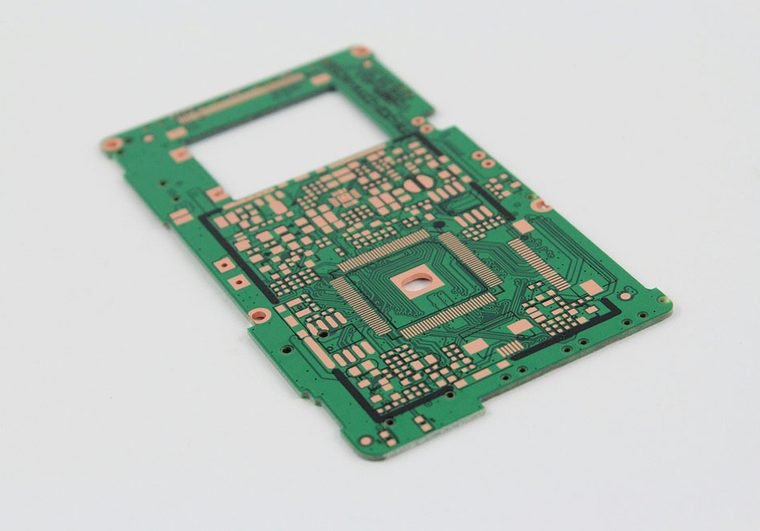
CHUANGQI builds both forms for electronics manufacturing — the inline and offline PCBA cleaning machine range covers batch washers through conveyor systems with closed-loop wash, DI-water rinse and hot-air drying. For the comparison logic behind the table above, the inline versus offline selection guide goes one level deeper on transport, footprint and changeover.
Lead time also belongs in the plan, not in the final week. Standard machines ship faster than configured ones, and custom builds need production and testing time before they leave the factory — the lead time breakdown explains which configuration choices move the date. Ordering the second machine after the ramp has already started is a schedule problem you cannot compress.
What to Put in the RFQ
A capacity RFQ is short. It is six lines, and every one of them changes the answer.
- Peak boards or panels per day, plus the number of shifts and effective production hours.
- Panel and board dimensions, including the largest carrier or pallet that must pass through the chamber.
- Measured cycle time for your densest product, or the cleanliness requirement you have to reach for it.
- Flux type and process — no-clean, rosin, water-soluble — and whether conformal coating follows cleaning.
- Growth outlook: expected peak volume in twelve months, so the supplier can size for duplication rather than replacement.
- Utilities and floor constraints: available power, water, compressed air, drainage and room footprint.
Send those six items and CHUANGQI replies with a quote and technical response within 24 hours, including a machine size matched to your peak rather than your average. If the numbers are not final yet, the same six items are enough to start a sample test on your production panels, so the cycle time in your plan is measured rather than estimated.
Frequently asked questions
How many boards per hour can one inline cleaning machine handle?
It depends on the cleaning load per board, not on a fixed rating. A machine that clears one panel in a given cycle clears proportionally fewer boards when panels are denser or carry taller components, because wash, rinse and dry each take longer. Size from your measured densest product and your effective production hours, then keep a headroom factor on top.
Do we need a second cleaning machine during ramp-up?
Add a second unit when the cleaning load exceeds the machine-hours available at peak — including changeovers and maintenance windows. Before that point, splitting work between an inline station for high runners and a batch machine for low runners and rework usually buys the same capacity for less capital.
Does cleaning capacity change with board size and panel loading?
Yes. Larger panels reduce the number of boards a chamber or conveyor can process per cycle, and dense panels with low standoff components need longer to reach cleanliness underneath parts. Both effects reduce effective boards per hour even when the machine is running at full speed.
Can a batch machine cover the ramp until volume stabilises?
Often yes, and it is the lower-risk route. An offline batch machine handles irregular volumes and frequent product changes well, validates your wash recipe before a larger commitment, and can stay in service afterwards for low-volume products and rework once an inline system takes over the high runners.
Next step: send your peak board count, panel dimensions and measured cycle time to start a capacity review with the CHUANGQI application team.